Sometimes the best way to get better at what you love is to step away from it for a little while.
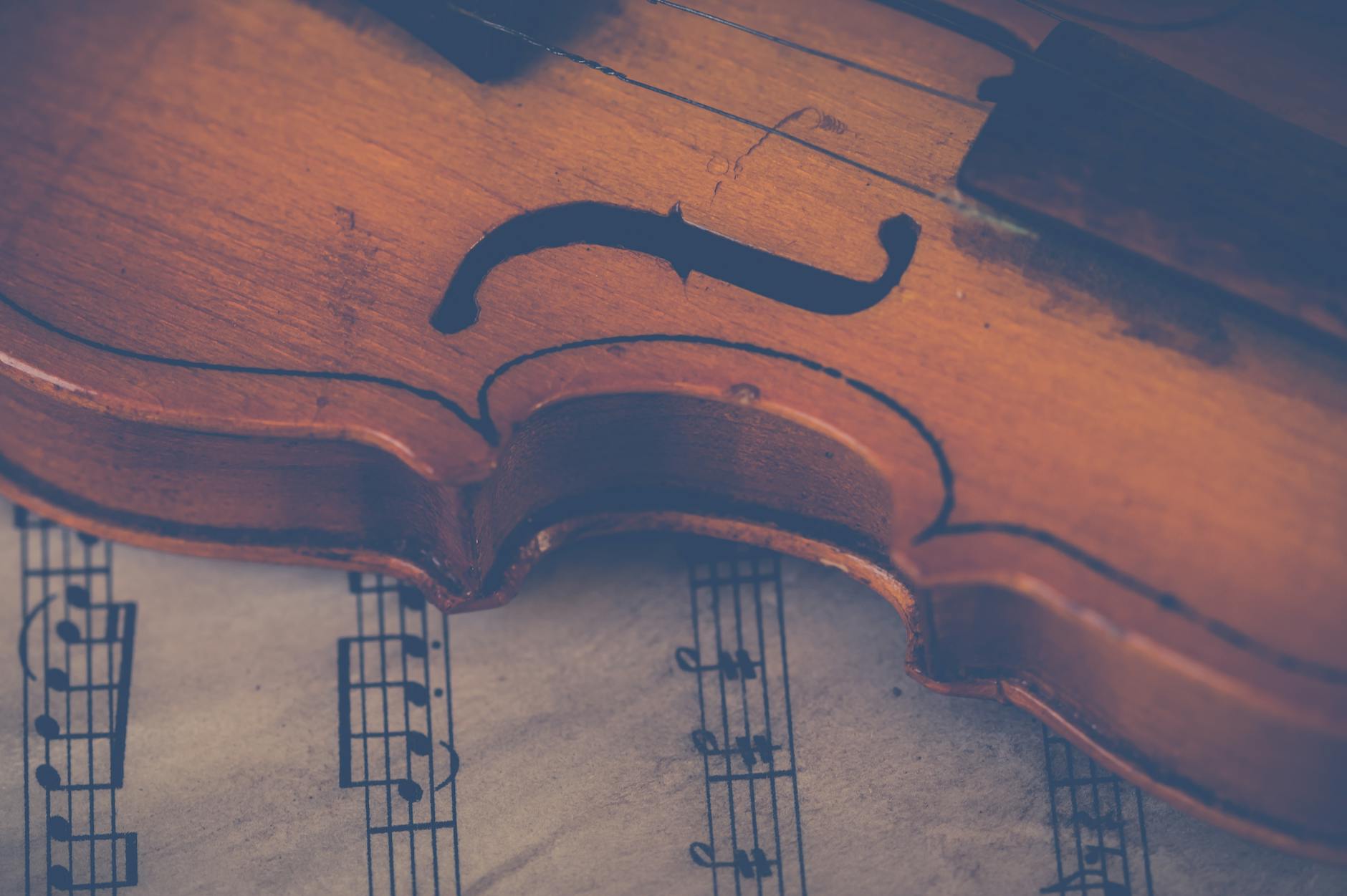
That’s something I’ve been discovering through my recent classical violin lessons.
I’m a fiddle player at heart. I love the energy, the groove, the ornamentation, and the particular character that comes with playing fiddle music. But lately, I’ve been spending time studying classical violin—not because I want to become a classical violinist, but because I want to become a better fiddler.
And it’s working.
A Different Kind of Practice
Classical playing asks me to pay attention to things that I can sometimes take for granted when I’m playing fiddle: technique, intonation, bow control, tone, posture, and the quality of every single note.
There’s nowhere to hide.
A phrase that might feel perfectly fine when I’m playing a tune suddenly gets a lot more scrutiny when I slow it down and really listen. Is that note in tune? Is the bow producing the sound I want? Am I using too much tension? Is the tone clear? Can I make the phrase sing?
Those questions are useful—even when I take them right back into my fiddle playing.
The Sound Follows You
One of the biggest things I’m noticing is a change in my sound.
Working on classical technique has made me much more conscious of how I’m producing a note. I’m thinking about the contact between bow and string, how much pressure I’m using, where I’m bowing, and how I can shape a phrase instead of simply getting through the notes.
And then I pick up a fiddle tune and realize that all of that work is coming with me.
My fiddle playing feels more controlled. My intonation is more reliable. I’m hearing the notes differently. I’m also finding that I have more choices when it comes to tone and phrasing.
That’s the really interesting part: the practice doesn’t stay in the genre where you did it.
Thirty Minutes Makes a Difference
I’ve also made one very practical change: I’ve carved out time in my day specifically for practice.
Just half an hour.
It doesn’t sound like much, but making that time a regular part of my day has been important. Instead of waiting until I have a big chunk of free time—or until I “feel like practicing”—I have a commitment to myself.
Thirty minutes of focused practice adds up.
Some days it feels great. Some days I struggle with the same passage over and over. Sometimes I walk away feeling like I accomplished a lot, and sometimes I wonder whether I accomplished anything at all.
But then I pick up my fiddle.
And I hear the difference.
The little things I’ve been working on start showing up in my playing without me having to consciously think about them. That’s when I know the practice is paying off.
Cross-Training for Musicians
It makes me think about how useful it can be for musicians to step outside their usual musical world.
A jazz player might learn a classical piece. A bluegrass musician might spend time with Irish traditional music. A rock guitarist might study fingerstyle. A fiddler might take classical lessons.
You don’t necessarily have to fall in love with the new genre. You don’t even have to become particularly good at it.
You can simply borrow what it teaches you.
Every musical tradition has its own way of thinking about rhythm, phrasing, tone, technique, dynamics, and expression. Learning those things from another perspective can shine a light on your own playing.
For me, classical violin is giving me a better technical foundation for the music I really love to play.
And that’s a pretty wonderful discovery.
I’m still a fiddler. Probably always will be.
But now, when I pick up my fiddle after spending time working on classical technique, I hear—and feel—the difference.
Sometimes the path to becoming better at your music takes you somewhere completely unexpected.


I do the same thing. I take Celtic and Old Time fiddle lessons,
but I take classical lessons as well for the technique, though
I am not a classical musician. Like you said, “nowhere to hide” with classical.
My normal gigs are on mandolin, bouzouki/cittern, banjo and guitar.
Hopefully I can work up my fiddle ability enough to play at gigs occasionally.
Thanks for your comment. Nice to know I’m not alone! And holy cow you play a lot of instruments!